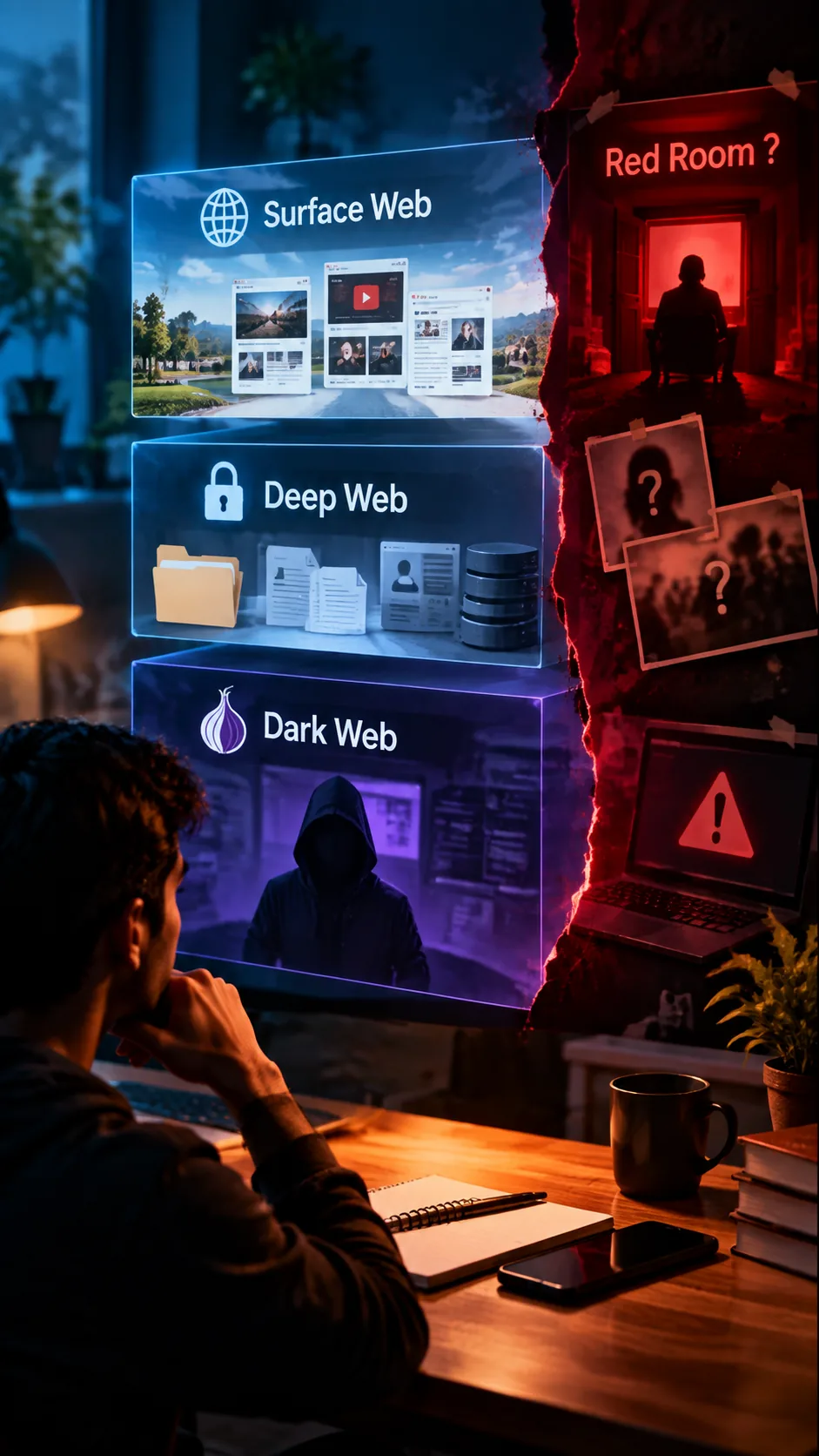
The internet is full of information, but not every shocking story is a real one. The topic of dark web scams often attracts attention because it sounds mysterious and dangerous. Many people hear dramatic claims about hidden online worlds, secret activities, or unbelievable events and assume every story must be true. The reality is more complicated. Some cybercrime cases are real, but many viral claims, fake dark web stories, and exaggerated warnings are created around fear and curiosity. This article explains common dark web scam types, why fake stories spread, and how digital users can develop better online awareness without falling for myths or panic.
What Are Dark Web Scams and Why Do They Attract People?
Dark web scams are not only about technology. At their core, many scams are about human emotions. Fear, curiosity, urgency, and the desire to discover something hidden can influence how people react to online information. The phrase “dark web” itself creates a sense of mystery, and some scammers or content creators use that mystery to make ordinary claims appear more serious than they really are.
A common pattern in dark web scam discussions is the use of dramatic language. A person may claim to have discovered a secret network, a hidden marketplace, or a dangerous online trend. However, a shocking claim does not automatically mean it is a true claim. Reliable information requires evidence, trustworthy sources, and proper context.
Many fake dark web stories mix a small amount of reality with a large amount of imagination. Since real cybercrime exists, completely fictional stories can sometimes look believable. This confusion makes media literacy extremely important. People need to understand the difference between documented cybercrime, online rumors, entertainment content, and scam attempts.
The best protection is not fear. It is awareness. Understanding how these stories are created helps users avoid emotional reactions and make better decisions when they see unusual content online.
Fake Dark Web Stories: How Fear and Mystery Create Confusion

Fake dark web stories are a major reason why people often misunderstand online risks. The internet rewards content that gets attention, and mysterious topics naturally attract curiosity. Some posts, videos, and messages use this curiosity to create exaggerated stories that may not have strong evidence behind them.
A fake dark web story usually depends on making the audience feel that they are seeing something secret or forbidden. The more unusual the claim sounds, the more likely people may share it without checking. This is how misinformation spreads quickly across social platforms and private messaging groups.
One important warning sign is when a story contains very serious claims but provides little reliable information. A strong claim usually requires strong proof. If a post only uses dramatic words, anonymous statements, or unclear references, users should be careful before accepting it as fact.
Fake dark web content can also harm real cybersecurity awareness. When people hear too many unrealistic stories, they may start ignoring genuine threats because everything begins to sound like a movie. Balanced information is necessary because both panic and carelessness can create problems.
Understanding fake dark web stories is not about dismissing every online danger. It is about separating facts from fiction and learning how digital information can be manipulated.
Red Room Scam Types and Other Fear-Based Internet Myths
Among the many discussions connected with the dark web, red room stories are some of the most commonly mentioned examples of fear-based internet myths. These stories often become popular because they combine mystery, shock, and curiosity. However, many claims around such topics spread without clear evidence and become part of online folklore.
Fear-based scams follow a simple psychological pattern. First, they introduce an unusual or frightening idea. Then, they create emotional pressure by making people feel that something hidden or dangerous exists. Finally, they may use that emotional reaction to encourage attention, sharing, or belief in false claims.
The problem is that entertainment, rumors, and real cybercrime discussions often become mixed together online. Movies, fictional stories, and exaggerated posts can influence how people imagine internet risks. Over time, fictional ideas may be repeated so often that some users begin treating them as confirmed facts.
Digital awareness requires a calm approach. Instead of reacting immediately to scary claims, users should ask simple questions: Is there reliable evidence? Is the information coming from a trustworthy source? Is the content trying to inform or simply create fear?
The goal of cybersecurity awareness is not to make people afraid of the internet. It is to help them understand the difference between realistic risks and online myths.
Dark Web Scam Taxonomy: Common Categories of Online Deception
Understanding dark web scam types becomes easier when they are divided into categories. One common category is fear-based deception, where a scam uses a frightening story or mysterious claim to influence people. Another category involves fake identities or false authority, where someone presents themselves as having special information or access.
A third category is misinformation-based scams. These rely on spreading incomplete, misleading, or false information. The purpose may be to gain attention, create confusion, or manipulate public reaction. A fourth category involves financial or personal information risks, where criminals attempt to take advantage of trust and emotion.
Although these categories may look different, many share the same foundation: manipulation. Scammers understand that people often react quickly when they feel scared, excited, or pressured. They create situations where careful thinking becomes harder.
Learning scam patterns helps users recognize warning signs without needing technical knowledge. The technology behind a scam may change, but the human tricks behind many scams remain similar. Awareness, patience, and critical thinking are powerful digital safety skills.
Instead of focusing only on mysterious internet terms, users should focus on behavior patterns. Asking questions, checking information, and avoiding emotional decisions are useful habits for staying safer online.
Why Does So Much Dark Web Noise Feel Fake?
The internet contains a huge amount of content, and not all content has the same level of accuracy. Topics involving secrecy or mystery often attract more exaggeration because they create strong emotional reactions. Dark web discussions are especially vulnerable to this because many people have limited direct knowledge about the subject.
Some online claims become popular because they are surprising, not because they are accurate. A dramatic headline may receive more attention than a careful explanation. This creates an environment where rumors can travel faster than verified information.
The phrase “most noise is fake” should be understood as a warning about exaggerated online discussion, not as a measured statistic. It means that many loud and dramatic claims around mysterious topics may not represent reality.
At the same time, users should avoid the opposite mistake of believing that all cyber threats are imaginary. Real cybercrime exists, and organizations around the world work to address it. The right approach is balance: do not panic over every story, but do not ignore genuine cybersecurity concerns.
Good digital habits include checking sources, avoiding unnecessary sharing, and recognizing when content is designed mainly to create fear or curiosity.
Why Online Information Checking Matters in Cyber Awareness
Modern internet users receive information from many sources every day. Social media posts, videos, messages, and online discussions can quickly influence public opinion. Because of this, information checking has become an important part of digital safety.
When reading about dark web scams or fake dark web claims, users should consider the source of the information. Is it based on official statements, reliable reporting, or expert analysis? Or is it only a dramatic story without supporting details?
Another important habit is avoiding immediate reactions. A surprising post may create a strong emotional response, but sharing it instantly can help misinformation spread. Taking time to think and verify information can prevent unnecessary confusion.
Media literacy is not about becoming an expert in every technical subject. It is about developing simple habits: question unusual claims, understand context, and avoid trusting content only because it sounds exciting.
In a world where information moves quickly, thoughtful users have an advantage. They do not simply believe everything they see, but they also remain open to learning from reliable sources.
The Role of Cyber Awareness in Protecting Digital Users
Cyber awareness is one of the most important parts of modern internet safety. It includes technical protection, but it also includes understanding human behavior. Many scams succeed because they influence emotions before they involve technology.
Families, schools, and communities can improve digital safety by teaching people how misinformation works. Young users especially need guidance about online rumors, fake stories, and the importance of checking information before sharing it.
Awareness does not mean avoiding the internet or being afraid of new technology. It means using technology with understanding. The internet provides many benefits, but responsible use requires attention and critical thinking.
Dark web scams, fake dark web stories, and red room scam types are examples of how online discussions can become confusing. By learning how misinformation spreads, users can become more confident and safer digital citizens.
Advice
The best advice for dealing with dark web scam discussions is to stay curious but remain careful. Curiosity helps people learn, but blind belief can make them vulnerable to misinformation. When you see a shocking online claim, avoid making decisions based only on fear or excitement.
Do not judge the truth of a story only by how dramatic it sounds. Real information usually comes with context, evidence, and reliable reporting. Fake dark web stories often depend on mystery and emotional reactions rather than clear facts.
It is also useful to talk openly about online safety with family and friends. Many people share false information because they believe they are warning others. Teaching people how to check information creates a healthier online environment.
💡 Remember: Your strongest digital safety tool is often not an app or device — it is your ability to think, question, and verify.
FAQ
Q1. Are all dark web stories real?
No. Some discussions may relate to real cybercrime, but many online stories are exaggerated, fictional, or based on rumors.
Q2. Why do people believe fake dark web stories?
Because mystery, fear, and curiosity can make dramatic claims feel believable even when evidence is limited.
Q3. Are all cyber threats fake?
No. Real cybercrime exists. The important skill is separating genuine risks from misinformation.
Q4. What are red room scam types?
They refer to fear-based stories and claims connected with red room myths that are often discussed online. Many such claims lack reliable evidence.
Q5. Why is cybersecurity awareness important?
Because understanding online manipulation helps people make safer decisions and avoid spreading false information.
Disclaimer: This article is for cybersecurity awareness and media literacy purposes only. It does not provide instructions for accessing illegal services, conducting scams, or committing any harmful activity.