Dark Web Myths Debunked: Understanding What Is Real and What Is Not
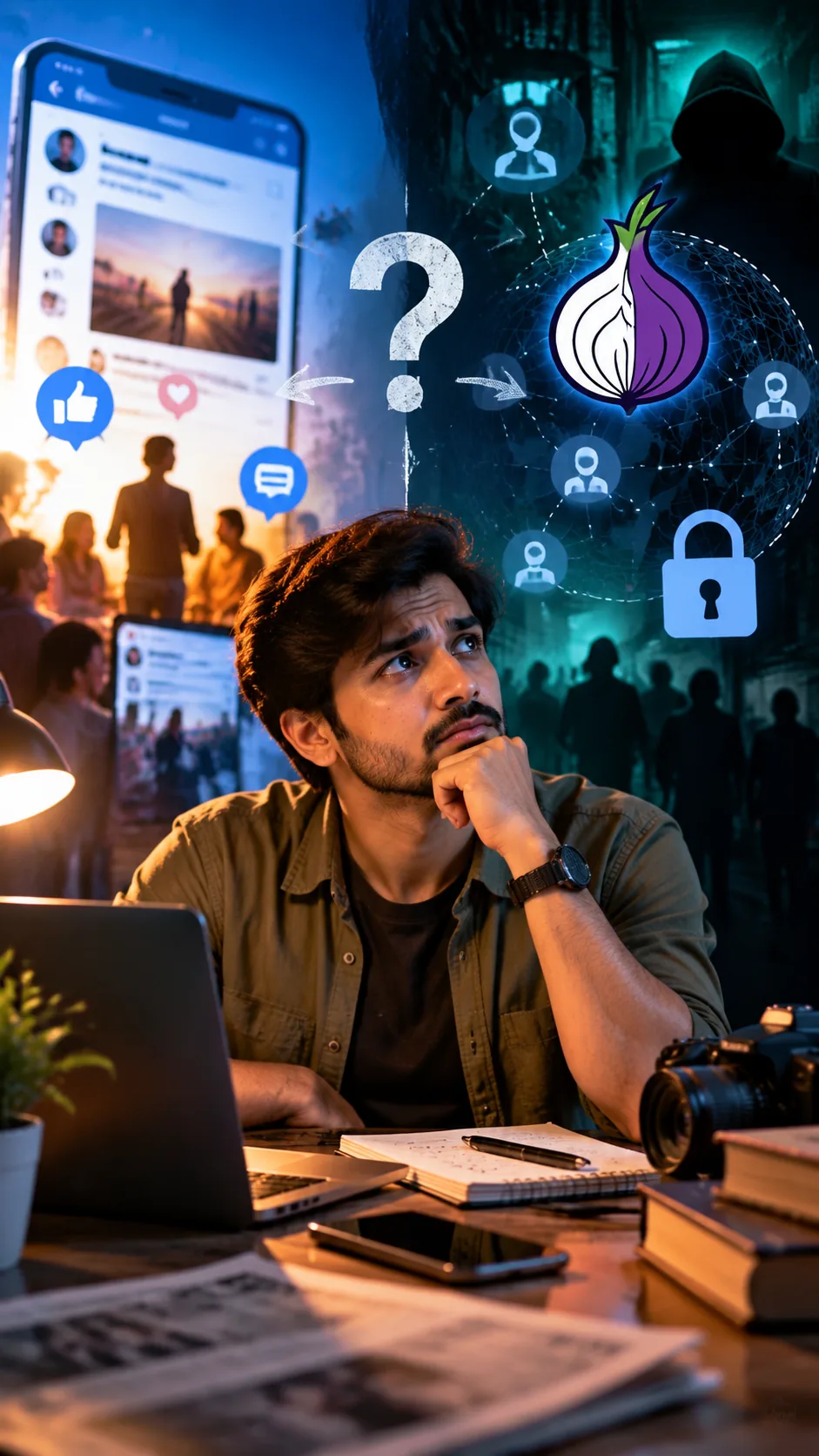
The dark web is one of those internet topics that creates curiosity, fear and confusion at the same time. Many people search questions like “is dark web real?” or “what happens on the dark web?” after watching movies, viral videos or dramatic online stories. The problem is that entertainment and reality often get mixed together.
Movies usually show the dark web as a mysterious hidden world where everything happens instantly and secretly. Social media posts sometimes make even bigger claims, turning small facts into scary stories. Because of this, many people develop a completely wrong picture of how the internet actually works.
The truth is more balanced. The dark web is a real technical concept, but many popular stories about it are exaggerated or simply false. Understanding the difference between dark web myths and reality helps people become smarter internet users.
In this article, we will look at seven common dark web myths debunked. We will discuss what people often believe, why those ideas spread, and what the reality looks like. This is only an educational explanation about internet awareness and digital safety. It does not explain how to access hidden networks or use them.
Myth 1: The Dark Web Is Only a Place for Criminal Activity

One of the biggest dark web myths is that the dark web means only illegal activity. Many people imagine that every corner of this part of the internet is connected to crime. This idea became popular because movies and news stories often focus only on the most extreme cases.
The reality is more complicated. The internet has different layers and different types of online spaces. Some content is visible through normal search engines, while some information is not publicly searchable for different technical or privacy reasons.
It is true that some criminals have used hidden online spaces for illegal activities, and law enforcement agencies investigate such cases. However, saying that every hidden online service or every person interested in the topic is involved in crime is an incorrect assumption.
A technology itself is not automatically good or bad. The way people use technology decides whether an activity is useful or harmful. The same internet that helps people learn, communicate and work can also be misused.
Understanding this difference is important. When people believe every dark web story they hear, they often focus only on fear instead of learning about real cybersecurity risks. Digital awareness comes from facts, not rumors.
Myth 2: Everyone Who Knows About the Dark Web Is a Criminal
Another common misunderstanding is that anyone interested in the dark web must have bad intentions. This is one of the myths that creates unnecessary fear around technology topics.
Learning about a technology does not automatically reveal a person’s intentions. Cybersecurity professionals, researchers, journalists and technology students often study different parts of the internet to understand risks, privacy and online systems.
The same idea applies to many areas of technology. Knowing how a security problem works does not mean someone wants to create that problem. Understanding risks is often the first step toward preventing them.
At the same time, internet users should always maintain healthy caution. Online spaces can contain scams, misleading information and harmful activities. Being informed means knowing both sides: not every person or technology is dangerous, but online safety still matters.
Dark web myths debunked content is important because it replaces assumptions with understanding. Instead of judging a person or technology based on rumors, it is better to look at actual actions and evidence.
Myth 3: Movies Show the Dark Web Exactly Like Real Life
Movies and web series have played a major role in creating popular images of the dark web. In many fictional stories, the dark web appears like a secret digital universe where anything can happen instantly with a few clicks.
Entertainment often increases drama to keep audiences interested. That does not mean every scene represents real technology. Fictional stories may combine different ideas, exaggerate situations and create imaginary scenarios.
A common result is that viewers start believing the dark web is like a completely separate internet world controlled by mysterious people. In reality, online systems are built through technology, networks and rules that are much more complex than movie scenes suggest.
This does not mean online threats are imaginary. Cybercrime, fraud and privacy problems are real issues. However, understanding real risks is more useful than believing exaggerated internet stories.
When people search “is dark web real,” the answer requires context. Yes, it is a real concept, but many popular images around it come from fiction, rumors and incomplete information.
FACT: A Simple Way to Understand Internet Layers
FACT:
People often use terms like Surface Web, Deep Web and Dark Web to describe different parts of the internet. The difference is mainly related to visibility and accessibility through normal search systems. Content that is not visible in regular search results is not automatically illegal.
Myth 4: Red Rooms Are Common Dark Web Tourist Attractions
Red room stories are among the most famous scary internet myths. These stories are often shared online because shocking content attracts attention quickly. Many viral posts describe them as common places that anyone can easily find.
However, many such stories lack reliable evidence and are often repeated as internet legends. A frightening claim can become popular simply because people share it without checking whether it is true.
Real online crimes do exist, and authorities investigate serious cases involving technology. But every scary internet story should not automatically be treated as a confirmed fact.
The lesson here is important for digital awareness. Online users should learn to separate verified information from sensational claims. A story becoming viral does not make it accurate.
Dark web myths debunked articles help people understand why critical thinking matters online. Fear-based content can spread faster than factual explanations, so checking information is an important digital skill.
Myth 5: The Dark Web Has Easy Money and Secret Free Opportunities
Another popular myth is that the dark web offers easy money, hidden opportunities or simple ways to become rich. These stories attract attention because many people are interested in quick success.
In reality, online promises that sound too easy often involve deception. Scammers commonly use curiosity and greed to attract people. This problem is not limited to one part of the internet; misleading offers can appear anywhere online.
A smart internet user learns to question unrealistic promises. If someone claims that there is an effortless way to earn money or gain special benefits, it is important to think carefully before trusting such claims.
Digital safety is not only about software and devices. It is also about decision-making. Recognizing manipulation, checking information and avoiding suspicious promises are important skills.
The idea that the dark web is a place full of secret rewards is mostly a myth created by rumors and online storytelling. Reality is usually much less dramatic and much more complicated.
Myth 6: Police and Law Cannot Reach the Dark Web
Many people believe the dark web exists completely outside the reach of law enforcement. This idea comes from the image of a hidden world where nobody can investigate anything.
In reality, online crimes can still be investigated. Law enforcement agencies around the world use digital investigation methods, legal processes and cybersecurity expertise to handle cases involving online activity.
Cyber investigations can be complex because technology changes quickly. However, complexity does not mean that online spaces are automatically beyond the law.
The internet is not a place without rules. Digital activities can have legal consequences just like activities in the physical world. The exact process of investigation depends on many technical and legal factors.
Understanding this myth helps people avoid another common misunderstanding: that online anonymity always means complete protection. Technology can create privacy features, but it does not remove responsibility.
Myth 7: One Wrong Click Means You Will Be Hacked Forever
A common fear is that simply encountering something online means a person’s device will immediately become permanently compromised.
The reality is more practical. Cybersecurity risks depend on many factors, including user behavior, software security, device protection and the type of interaction involved.
This does not mean people should ignore online safety. Good digital habits are still important. Keeping software updated, protecting accounts and being careful with unknown content are basic steps every internet user should follow.
The goal of cybersecurity is not to make people afraid of the internet. The goal is to help people use technology with awareness.
Many dark web myths create unnecessary panic because they present technology as magic. Real cybersecurity is usually about understanding risks and making informed choices.
Advice
The best approach to topics like the dark web is to replace fear with knowledge. The internet contains many stories, but not every viral claim is accurate. Before believing a dramatic statement, check where the information came from and whether it is supported by reliable sources.
Parents, students and everyday internet users can all benefit from better digital awareness. Instead of simply warning people that the internet is dangerous, it is more useful to teach them how to think carefully online.
Basic online safety habits matter everywhere. Protect personal information, be careful with unknown messages, question unrealistic promises and avoid sharing sensitive details without a clear reason.
Technology keeps changing, but smart habits remain valuable. Understanding dark web myths does not require fear or curiosity about hidden places. It simply requires learning how online information works.
💡 Remember: The strongest digital protection is not panic. It is awareness, careful thinking and responsible internet use.
FAQ
Q1: Is the dark web real?
Answer: Yes, the dark web is a real technical concept. However, many stories and claims about it are exaggerated or incorrect.
Q2: Is everything on the dark web illegal?
Answer: No. It is incorrect to describe an entire technology area only through illegal activities.
Q3: Are dark web stories shown in movies accurate?
Answer: Many movie scenes are fictional and created for entertainment, so they should not be treated as a complete picture of reality.
Q4: Why do dark web myths spread so quickly?
Answer: Shocking and mysterious stories often attract attention, making people share them before checking facts.
Q5: What is the biggest lesson from dark web myths debunked?
Answer: The main lesson is to separate facts from rumors and practice responsible digital awareness.
Disclaimer
This article is written only for general education and digital awareness. It does not provide instructions for accessing hidden networks or participating in any online activity. For cybersecurity concerns, always rely on trusted information sources and qualified experts.