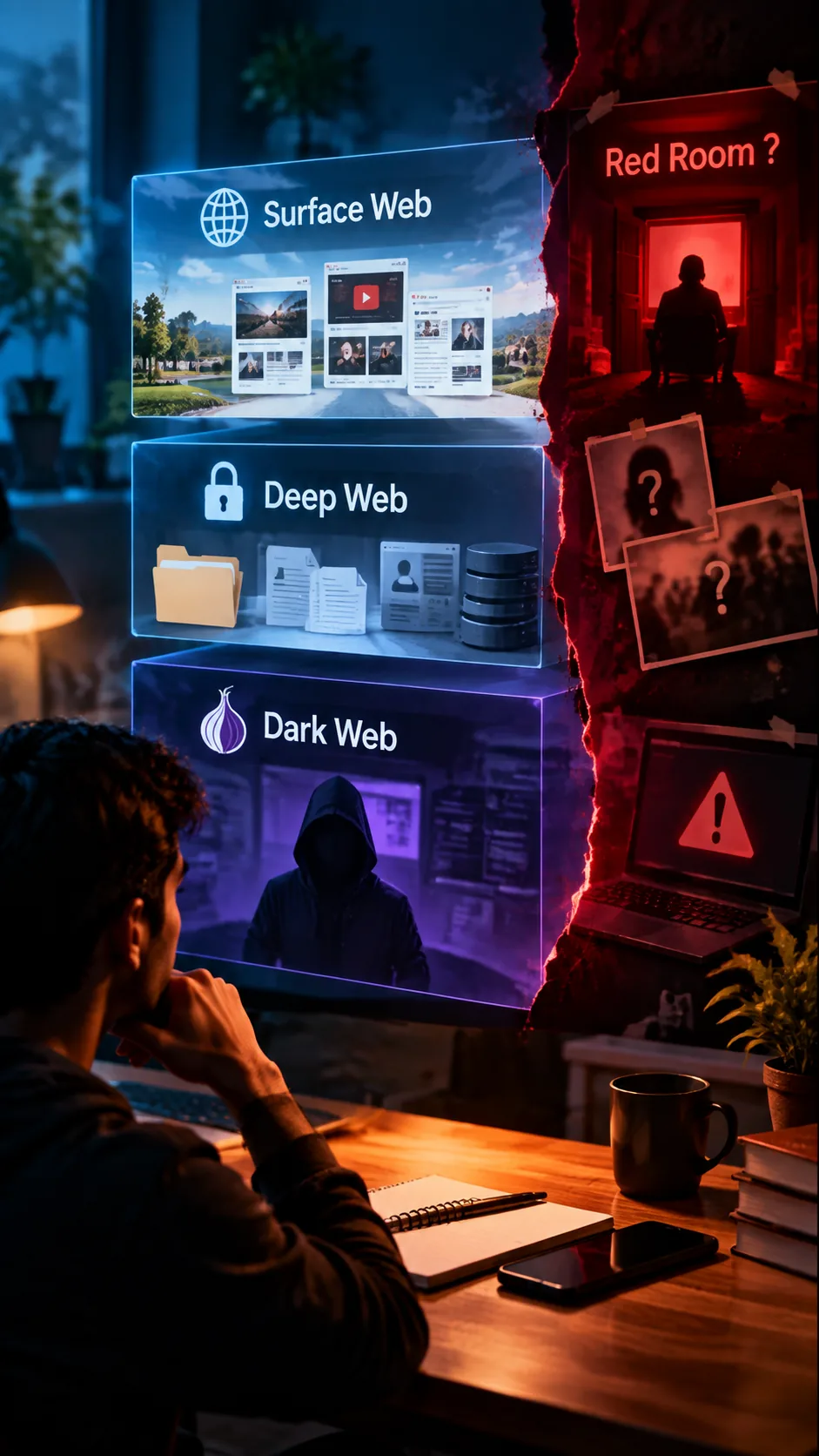
Fake Dark Web Links: How Online Scams Use Curiosity and Fear
The internet is full of information, but it is also full of misleading claims. Some topics become popular because they sound mysterious, hidden, or unusual. “Dark web” is one such term that attracts curiosity. Scammers sometimes use this curiosity to create fake dark web links and false stories that make people believe they are finding something exclusive.
A fake dark web link scam usually does not depend on advanced technology. Instead, it depends on human emotions. Scammers understand that people are naturally interested in things that appear secret or unavailable to everyone. They combine this curiosity with fear, urgency, or promises of special access.
You may see posts or messages claiming that a hidden source, secret information, or rare opportunity is available. These claims often try to create excitement instead of providing trustworthy information.
The important lesson is simple: a mysterious claim is not automatically a true claim. Online safety begins when people learn to recognize patterns instead of reacting emotionally.
Fake dark web links, dark web link scams, and fake onion link claims often follow similar warning patterns. They may use dramatic language, pressure users to act quickly, or demand unusual payments.
How Dark Web Link Scams Manipulate Human Psychology

Many online scams succeed because they understand human behavior. The scammer’s goal is often not to impress someone with technology but to influence their decision-making.
The first common technique is curiosity. People naturally want to explore unknown things. When a message suggests that it contains secret information or something hidden from others, some users may feel tempted to learn more.
The second technique is fear. Some scam messages create panic by suggesting that something urgent is happening or that the user will miss an important opportunity. Fear can reduce careful thinking.
The third technique is pressure. A scammer may create a false sense of limited time or importance. The message tries to stop users from asking questions.
A useful habit is to slow down and ask simple questions. Why is someone creating so much urgency? Why is a stranger making a surprising claim? Why is money being requested?
FACT:Online claims about hidden internet spaces are often exaggerated on social media. A mysterious post or message is not proof that the information is real. Verification and careful thinking are important parts of digital safety.
Fake Onion Links and Social Media Scam Patterns
Social media allows information to spread quickly. A single post can reach many people within a short time, and this speed can also help false information spread.
Fake onion link claims are sometimes used as attention-grabbing topics because many people do not fully understand technical terms connected with them. A scammer can use unfamiliar words to make a false story appear more believable.
One warning sign is when a post focuses more on excitement than facts. It may use dramatic descriptions but provide no clear source or reliable explanation.
Another sign is emotional pressure. If a message tries to make you feel that you must act immediately, it is worth being careful.
Digital awareness does not mean avoiding every unfamiliar topic. It means learning how to separate information from manipulation.
Before believing an online claim, consider the source, the purpose, and the way the message is written. Is it helping you understand something, or is it only trying to trigger a reaction?
Fake Entry Fees and Crypto Payment Warning Signs
Some dark web link scams use payment demands as part of their deception. They may claim that a person needs to pay a special fee or make a cryptocurrency payment to receive something unusual.
The problem is that curiosity can make people ignore warning signs. When someone believes they are getting access to something rare, they may focus more on the promise than on the risks.
Unexpected payment requests should always be treated carefully, especially when the person asking for money is unknown or cannot clearly explain the purpose.
Cryptocurrency is sometimes mentioned in scams because some users may believe it is connected with secret or advanced online activity. However, payment method alone does not prove legitimacy.
The safest approach is to evaluate the entire situation. Who is making the claim? Why are they asking for money? Is there a trustworthy reason behind the request?
A good online habit is to never let excitement or fear make decisions for you.
Understanding Fake Dark Web Stories and False Claims
Many fake dark web stories spread because they sound like movie plots. They often combine mystery, technology, and dramatic language to attract attention.
However, online reality is usually much less dramatic. A person should not judge information only by how interesting it sounds. A story becoming popular does not mean it is accurate.
Fake dark web links and false online claims often depend on confusion. When people do not understand a topic clearly, they may accept exaggerated explanations.
Learning basic digital awareness helps people identify these patterns. It also helps families discuss online safety without creating unnecessary fear.
Technology changes quickly, but the basic rules of safety remain the same: question unusual claims, verify information, and avoid making decisions under pressure.
Why Digital Awareness Matters Against Online Scams
The internet is now part of everyday life. People use it for communication, payments, learning, and entertainment. Because of this, digital awareness has become an important life skill.
Scams involving fake dark web links show that online fraud is not always about complicated technology. Sometimes it is simply about a convincing story and a person’s emotional reaction.
Digital awareness means understanding how manipulation works. It means recognizing when a message is trying to create unnecessary urgency or curiosity.
Families can also improve online safety by discussing common scam patterns. Children and older adults especially benefit from simple conversations about suspicious messages and online pressure.
The goal is not to create fear about the internet. The goal is to use the internet with confidence and better judgment.
Advice
Online safety starts with a simple habit: do not let emotions make digital decisions for you. Fake dark web links and similar scam attempts often work because they create excitement, fear, or urgency.
When something online looks too mysterious or too exclusive, take time to understand it. A trustworthy source will not depend only on pressure and dramatic claims.
Talk about digital safety with friends and family. Many people avoid sharing scam experiences because they feel embarrassed, but awareness can prevent future problems.
Pay attention to the language used in online messages. Are they giving clear information, or are they only trying to make you react quickly?
💡 Remember: the strongest online safety tool is not a complicated setting or technical knowledge. It is the habit of thinking before clicking or responding.
A careful internet user is not someone who avoids everything unknown. It is someone who takes a moment to check, question, and understand.
FAQ
Q1. What is a fake dark web link scam?It is an online scam pattern where false claims or links are used to confuse or manipulate users.
Q2. Are all dark web related posts online real?No. Many online posts can contain exaggerated or false information.
Q3. What are common warning signs of these scams?Urgency, emotional pressure, unusual payment requests, and unclear sources can be warning signs.
Q4. Why do scammers use mysterious topics?Because mystery and curiosity can make people react without careful checking.
Q5. What is the best digital safety habit?Pause, verify information, and avoid making quick decisions under pressure.
DISCLAIMER:This article is for general digital awareness and scam-pattern education only. For any suspicious online incident, consult official cybersecurity resources or qualified professionals.