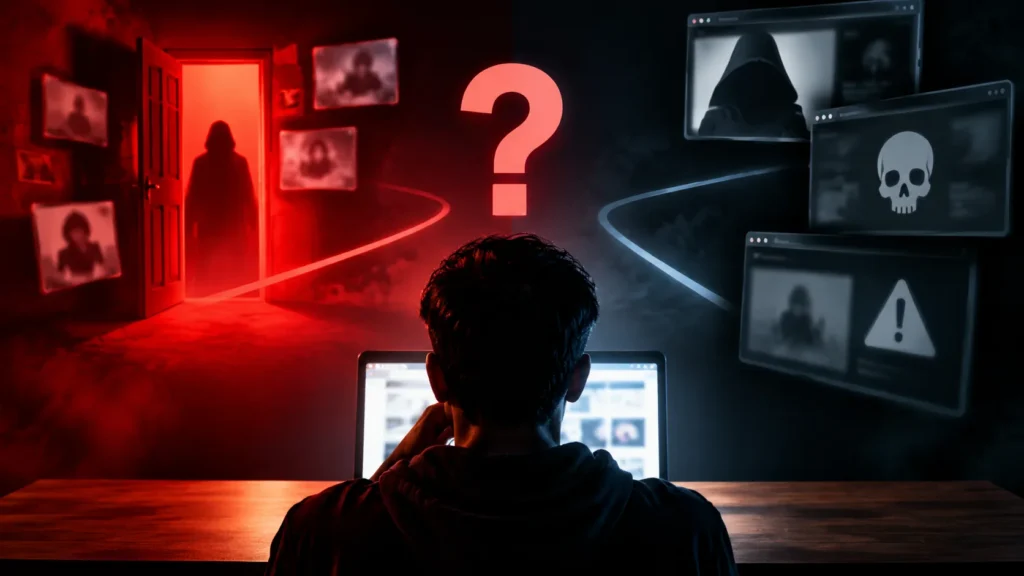
Welcome to the Game Red Room: Understanding the Viral Myth
The internet is full of mysterious stories that sound like scenes from a movie. Some are created for entertainment, some are shared as rumors, and some become popular because people are curious about hidden parts of the online world. Welcome to the Game and the so-called Red Room are two examples of topics that have attracted attention because of their mysterious reputation.
When people search for “Welcome to the Game red room” or “is red room real,” they often find a mixture of video game discussions, fictional stories, online rumors, and exaggerated claims. The biggest challenge is understanding where entertainment ends and where factual information begins.
Welcome to the Game is connected with the horror gaming genre, where mystery, tension, and fictional internet environments are used to create an experience for players. Red Room, on the other hand, is widely discussed as an internet myth that has appeared in online horror discussions for years.
This article looks at these topics through a fact-checking and media literacy perspective. The goal is not to spread fear but to understand how internet myths develop, why people believe them, and how we can separate fiction from reality.
What Is Welcome to the Game? A Horror Game, Not Proof of an Internet Myth

Welcome to the Game is known as a horror-themed video game built around mystery and suspense. Like many games in the horror genre, it uses imagination, storytelling, and atmosphere to create an intense experience for players.
A common mistake people make is assuming that a fictional game must be based on a real event. Entertainment often borrows ideas from real-world fears, technology, and social discussions. This does not mean every element shown in a game actually exists outside the fictional world.
The popularity of Welcome to the Game increased because it used themes that many internet users already find interesting: hidden information, online mystery, and the unknown side of technology. These themes naturally create curiosity.
However, a game title, storyline, or fictional setting should be understood as creative content unless there is reliable evidence showing otherwise. Horror games are designed to create emotions such as suspense and curiosity. Their purpose is to entertain, not to document real events.
Understanding this difference helps people enjoy fictional content while avoiding confusion between storytelling and reality.
Red Room Fact Check: Is Red Room Real or an Internet Legend?
The term “Red Room” has become one of the most repeated names in internet horror discussions. Many versions of the story have circulated online, but a large part of the discussion comes from rumors, fictional storytelling, and online myths.
A fact check begins with a simple question: what reliable evidence supports the claim? A story becoming popular online does not automatically make it true. Internet platforms allow information to spread quickly, but popularity and accuracy are two different things.
Many online myths survive because they are built around mystery. They often use dramatic language, unknown sources, and frightening ideas to attract attention. This pattern is common with many internet legends, not only Red Room stories.
When people encounter such claims, they should look for verified information, trustworthy reporting, and clear evidence. If a claim depends mostly on anonymous posts, dramatic descriptions, or repeated rumors, it should be viewed carefully.
The important lesson is that the internet contains both real information and fictional storytelling. Good digital awareness helps us identify the difference.
FACT Box: How to Identify Internet Myths
FACT: A viral story is not automatically a verified fact. Online claims should be checked through reliable sources, evidence, and context. Horror games, fictional stories, and internet legends often use realistic themes, but that does not make them real-world events.
Why Do Internet Horror Myths Spread So Quickly?
Human beings have always been interested in mysteries. Stories about unknown places, hidden information, and unusual events naturally attract attention. The internet has made it easier than ever for such stories to reach large audiences.
Fear and curiosity are powerful emotions. When a story sounds surprising or unusual, people are more likely to share it with others. Sometimes the person sharing the information may not even know whether it is true.
Social media also plays a role in spreading attention-grabbing content. Posts that create strong reactions may receive more engagement, causing more people to see them. Over time, repeated exposure can make a fictional story feel more believable.
This does not mean every person sharing such content is trying to mislead others. Often, people simply pass along something interesting without checking the details.
The best approach is simple: enjoy interesting stories as stories, but verify serious claims before accepting them as facts. Digital literacy means asking questions before believing or sharing information.
Welcome to the Game Red Room: Separating Fiction, Rumors, and Reality
One reason topics like Welcome to the Game and Red Room become confusing is that modern entertainment often uses realistic ideas. Movies, games, and online stories frequently take inspiration from technology, society, and human fears.
A fictional story can feel realistic because it uses familiar elements. A computer screen, online communication, or mysterious digital spaces can make a fictional world seem connected to real life.
However, realism in storytelling is not the same as proof. Writers and game developers create believable worlds because that makes the experience more interesting.
Fact checking requires looking beyond the feeling a story creates. A topic may be interesting, frightening, or mysterious, but the important question remains: what evidence supports the claim?
Learning this skill is useful far beyond horror topics. The same approach helps people understand news, social media posts, online rumors, and many other types of information.
Why Digital Awareness Matters in the Age of Viral Content
Today, people of all ages use the internet for learning, entertainment, communication, and work. Because so much information is available, knowing how to evaluate content has become an important digital skill.
Digital awareness does not mean avoiding every unusual topic. Curiosity is normal, and exploring entertainment content can be enjoyable. The key is understanding what type of content we are viewing.
A horror game is different from a news report. A fictional story is different from verified research. A viral post is different from confirmed information.
Welcome to the Game and Red Room discussions provide a useful example of why context matters online. Without context, people may misunderstand fictional ideas or repeat rumors as facts.
Responsible internet use means staying curious while also staying careful. Asking simple questions, checking sources, and avoiding unnecessary sharing of unverified claims can make online experiences safer and more informed.
Advice
Internet mysteries can be interesting, and there is nothing unusual about being curious about them. Humans naturally enjoy stories involving suspense, technology, and the unknown. Problems begin when fictional entertainment or unverified rumors are treated as confirmed reality.
Whenever you see a shocking online claim, take a moment before believing or sharing it. Look at where the information came from, whether reliable sources support it, and whether the content is designed mainly to create fear or excitement.
The internet rewards attention, and sometimes dramatic claims receive more visibility than accurate information. Developing a habit of checking context can help you avoid confusion.
💡 Remember: A mysterious story can be entertaining without being a proven fact. Curiosity is good, but critical thinking makes it more useful.
FAQ: Welcome to the Game Red Room Fact Check
Q1. Is Welcome to the Game a real internet event?
No. Welcome to the Game is known as a horror-themed video game. Its mystery and atmosphere are part of fictional entertainment.
Q2. Is the Red Room concept real?
Red Room is widely discussed as an internet myth. Many claims around it come from rumors and fictional discussions rather than verified evidence.
Q3. Why do internet myths become popular?
They often combine mystery, fear, and curiosity. These emotions encourage people to discuss and share stories.
Q4. How can I fact-check an online claim?
Check the source, look for reliable evidence, compare information from trustworthy places, and avoid accepting anonymous claims without proof.
Q5. Are horror games based on real events?
Some creative works may take inspiration from real-world ideas, but fictional stories should not automatically be treated as real events.
Disclaimer
This article is written only for fact-checking and digital awareness purposes. It does not promote fear, rumors, or unverified online claims. Always evaluate information carefully and use trusted sources when making decisions related to safety, technology, or personal matters.